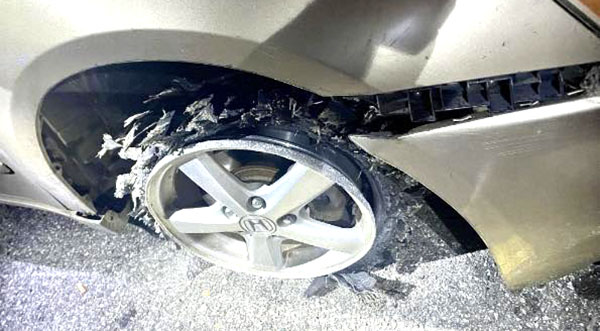
Buying salvage vehicles can seem like a smart way to save money, but the real expense goes far beyond the auction price. Understanding Costs for Salvage Cars is essential before making any purchase, as hidden charges can quickly add up and affect profitability. From repairs and transportation to paperwork and unexpected damages, every stage of the process requires careful budgeting. Many buyers underestimate the total investment and face financial surprises later. By planning ahead and analyzing all potential expenses, you can make smarter decisions and avoid costly mistakes. A clear understanding of salvage car expenses, repair needs, and overall project costs helps ensure better returns and reduced risk.
Understanding the Full Cost Structure
The purchase price is just the starting point. From the moment you win a bid until you drive or sell the finished vehicle, money flows out in multiple directions. Some costs are obvious. Others hide in fine print or emerge only after we take possession.
A realistic budget includes acquisition costs, transport expenses, repair investments, administrative fees, holding costs, and eventual sale expenses. Missing any category means your profit calculations will be wrong, and your project might fail financially.
Auction Fees and Buyer Premiums
Most auctions charge buyer premiums on top of the hammer price. These fees range from 5% to 15% depending on the platform and vehicle price. A $5,000 winning bid with a 10% buyer premium actually costs $5,500 before any other expenses.
Some platforms structure fees as flat amounts for lower-priced vehicles and percentages for higher-priced ones. Reading the fee schedule carefully before bidding prevents surprises at checkout. You can calculate your maximum bid by working backward from your total budget after accounting for these fees.
Documentation fees, payment processing charges, and title transfer costs add another $50-200 per transaction. These seem small individually, but accumulate across multiple purchases. Include them in every vehicle’s budget rather than treating them as an overhead.
Transport and Logistics Expenses
Getting the vehicle from the auction to your location costs money. Local pickups might need $50 in fuel for a truck and trailer. Long-distance shipping runs $300-1,200 depending on distance and vehicle size.
Get transport quotes before bidding on distant vehicles. A vehicle that looks like a good deal in California loses its appeal if shipping to Florida costs $1,100. The combined purchase price plus shipping might exceed what we’d pay for similar local inventory.
Storage fees at auction facilities start after a grace period — typically 3-7 days. These daily charges of $10-50 accumulate quickly if transport delays occur. Arrange pickup within the free period whenever possible. When delays are unavoidable, factor storage costs into your project budget.
Parts and Materials Costs
Estimating repair parts requires a detailed damage assessment. List every component needing replacement, then price each part from multiple sources. OEM parts cost more but fit better. Aftermarket alternatives save money but sometimes have quality issues. Used salvage parts offer the lowest prices, but availability varies.
Add 20-30% to our initial parts estimate to cover items you didn’t identify during inspection. Hidden damage appears during disassembly. Parts that looked reusable prove damaged. Fasteners break during removal. These surprises are normal, and budgeting for them prevents project stalls.
Paint and materials often get underestimated. A complete paint job needs primer, base coat, clear coat, thinner, hardener, sandpaper, masking tape, and other supplies. These materials cost $400-800 even before labor. Single-panel repairs still run $200-300 in materials.
Consumables like welding wire, grinding discs, solvents, and cleaners seem cheap individually but total $100-200 per project. Tracking these small expenses reveals their cumulative impact on profitability.
Labor Considerations
DIY repairs save labor costs but still have value. Youshould estimate the hours a project will take and assign a dollar value to that time. If a repair takes 40 hours and you value your time at $30 per hour, that’s $1,200 in opportunity cost, even if you aren’t writing a check.
Outsourced labor for specialized tasks adds real costs. Painting runs $800-2,000, depending on quality and vehicle size. Alignment costs $100-200. Tire mounting and balancing adds $80-120. Windshield installation runs $200-400. These services require professional equipment and expertise, so most DIY repairers outsource them.
You’ll need quotes before starting projects. Assuming you can handle everything on your own , then discovering youneed professional help halfway through disrupts budgets and timelines.
Title and Registration Fees
Title transfer fees vary by state from $15-150. Some states charge based on vehicle value. Others use flat fees regardless of price. Research your state’s requirements before purchasing out-of-state vehicles.
Rebuilt title inspections cost $50-200, depending on the state and inspection type. Enhanced inspections in states with strict requirements run higher. Scheduling delays might force youto store vehicles longer while waiting for appointments, adding to holding costs.
Registration and plate fees add another $50-300, depending on vehicle type and location. Annual registration should factor into ownership economics if you plan to keep vehicles rather than immediately reselling them.
Insurance During Ownership
Shop insurance or garage liability coverage protects vehicles during repairs. These policies cost $300-800 annually, depending on coverage limits and the number of vehicles. The cost seems optional until fire, theft, or storm damage destroys an uninsured project.
Insurance for completed vehicles before sale adds $100-200 per month, depending on coverage level and vehicle value. Some states require insurance for registration even if the vehicle won’t be driven. These months of premium payments reduce net profit.
Holding Costs and Interest
Money invested in salvage vehicles generates no return until you sell them. If you purchase a vehicle for $4,000 and hold it three months during repairs, you’ve lost the opportunity to invest that $4,000 elsewhere or use it for other purchases.
For financed purchases, interest accumulates during the holding period. A $10,000 vehicle purchased with borrowed money at 8% annual interest costs $200 in interest over three months. Faster project completion reduces these carrying costs.
Storage costs for multiple projects require space. Renting a garage or lot space runs $100-500 monthly, depending on location. Even using personal property has the opportunity cost if that space could serve other purposes.
Contingency Funds for Unexpected Issues
Every project encounters surprises. Mechanical problems appear during test drives. Electrical issues emerge after reconnecting systems. Parts don’t fit properly and need replacement. Budget 15-25% of the total project cost as contingency for these unknowns.
This contingency isn’t pessimism — it’s realism based on experience. Projects that use no contingency funds are rare. Most use some. A few use all of it. Having the cushion means surprises cause delays rather than project abandonment.
Sale-Related Expenses
Selling completed vehicles costs money too. Online listings charge $25-100 per ad, depending on the platform and features. Professional photos cost $100-200 if you hire photographers. Detail cleaning before sale runs $100-200 for thorough work.
Title transfer documentation, notary fees, and temporary tags for buyer test drives add $30-80 per sale. Include these costs in your profit calculations so you don’t overestimate net returns.
Tracking and Learning
Track actual costs against budgets for every project. This data reveals which estimates were accurate and which need adjustment. Over time, your budgeting will improve when you learn from experience rather than repeating the same mistakes.
Spreadsheets or simple notebooks work fine for tracking. The key is recording every expense — even small ones — so you understand true project costs. This discipline separates profitable operations from those that lose money without understanding why.
Bringing It Together
Complete budgets account for auction fees, transport, parts, labor, administrative costs, insurance, holding costs, contingencies, and sale expenses. When you factor in all these elements before bidding on accident cars for sale, you’ll avoid the trap of thinking purchase price equals total cost. Someone who budgets $8,000 for a project might spend $10,000 when hidden costs appear. Building comprehensive budgets from the start helps you bid appropriately on buy wrecked cars opportunities, complete projects profitably, and avoid the cash flow problems that derail salvage vehicle repairs.